A Simple Way to Preserve the Heat of Your Harvest
Learn how to make hot pepper powder at home. Dry, grind, and store your peppers for year-round flavor and zero waste.
Making hot pepper powder is just one more way to utilize the left over hot peppers at the end of the season. Learning how to dehydrate hot peppers and make chili powder from your own peppers also gives you some control over the flavor and purity of your product, while giving you a way to extend the harvest all year long.
Commercial chili powders often contain additives and fillers like cornstarch, wheat flour, maltodextrin, silicon dioxide or calcium silicate (to prevent clumping), salt, and preservatives. Sometimes they will have garlic powder, cumin, and/or onion powder as flavor additives. Often these peppers and the additives used are going to be grown with synthetic chemicals and toxic sprays. Is that really what you want in your food? When you make your own chili powder, you know what is in it, and how the peppers were made and processed.
You’ve spent all that time filling seed trays, starting seeds, growing them indoors, transplanting from trays to grow-out pots, then to the soil outside when it is finally warm enough, then fertilizing with compost, worm castings, and rabbit manure (if you are lucky enough to have some), growing compost teas and doing foliar applications…all to grow an abundant supply of delicious peppers. You don’t want them to go to waste on the plant, or in your house after you have harvested them.
So, this is an easy way to take those last leftover peppers and do something wonderful with them. After all the snacking hot peppers during the season, the hot sauce (see my post here) and Cowboy Candy with the bulk harvest at the end of the year, if you have left over peppers, that you don’t know what to do with, this is a great way to utilize what you have invested so much time and energy into, and it will last all year long.
Preparing Peppers for Drying
Preparing peppers for drying is simple. All I do is sort out the remaining peppers, getting rid of any that are dark, too soft, moldy, or if something’s just not right. Unless they are moldy, I add them to our “Chicken Bucket” which gets dumped to the chickens each day. If you don’t have chickens, they can be added to a compost pile to make soil for next year’s gardens.
Once I have the peppers sorted out, I will give them a quick rinse with water to knock off any dirt or grime, then remove the stems if still attached. Then it is off to the dehydrator.
Drying the peppers.
I keep the peppers whole. This maintains the seeds and membranes so that the final product has more heat. You can choose to cut them in half and remove the seeds if you don’t want all that heat to transfer to your final product, or come combination of both options.
I use an old Nesco round dehydrator. It was my wife’s mothers, and I have no idea how old it is, but we’ve been together for 17 years, and it wasn’t new then. They really don’t make them like they used to.
If you don’t have a food dehydrator, they can easily be found on Facebook marketplace or Craigslist. I just searched my local area and found 3 similar ones to what I have for under $40. They are a great kitchen tool to have for many purposes, let alone chili powder. We use ours for beef jerky and dog treats.
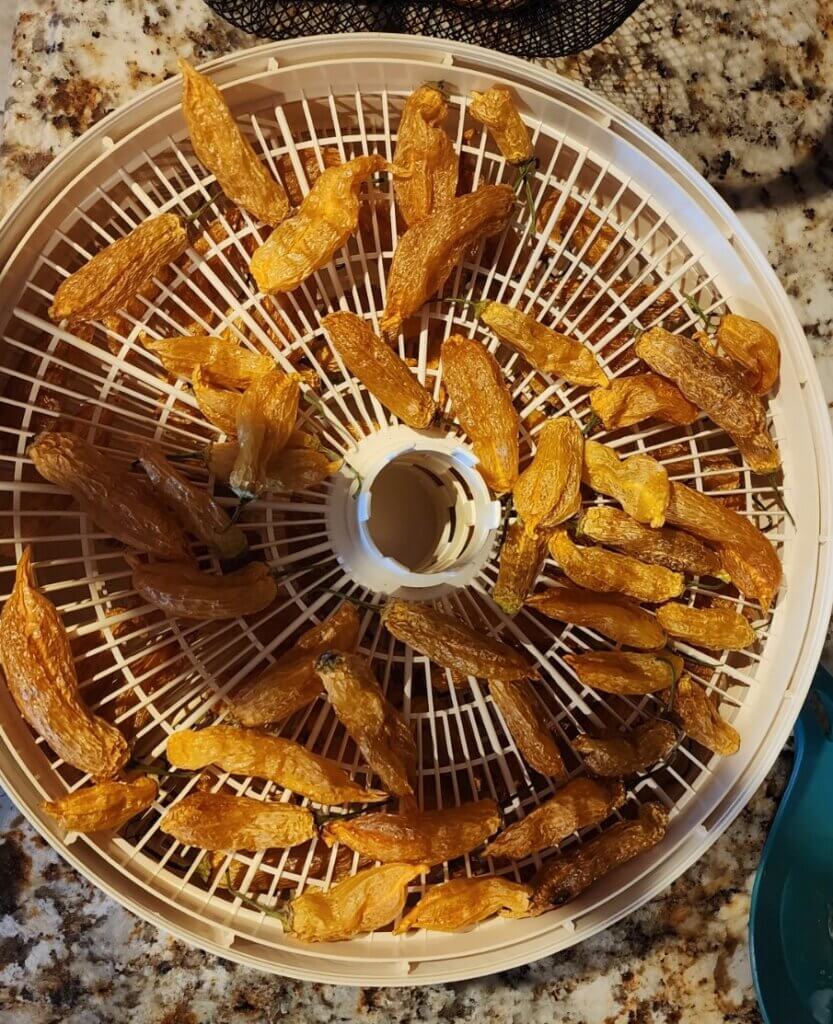
I lay out the peppers on each rack, close, but not piled on top of each other. The dehydrator works by blowing warm air across the fruits. If they are piled too closely or too thickly, the air won’t circulate as easily, delaying drying times. I set my temperature to 95℉ and let it go for days.
This batch took me about 3 full days to finally dry out. You will know they are ready when there are no soft spots remaining and they are crisp and brittle. They should snap when you bend them.
Grinding Dried Peppers into Powder
Grinding dried peppers into powder is where the transformation happens. This step turns your dried harvest into a shelf-stable, concentrated spice that’s easy to use in any dish. Keep in mind, you will be making tiny particles of hot pepper when you do this. Those particles cause sneezing followed by a deep inhale. This can be problematic depending on how hot your peppers are. Ask me how I know… Therefore, I recommend wearing one of those left over Covid masks you have sitting in your bathroom closet. At least they will be useful for something. Gloves are also recommended, but I personally didn’t have any issue with handling the peppers without them. But, I was my hands frequently, and if you are sensitive, it can cause problems. Your Milage May Vary.
The first step into turning the peppers into powder is to use a good food processor. I have a Ninja blender/food processor combo (similar to this one here, https://amzn.to/4p3Q9YY) and have had great luck with the Brand.
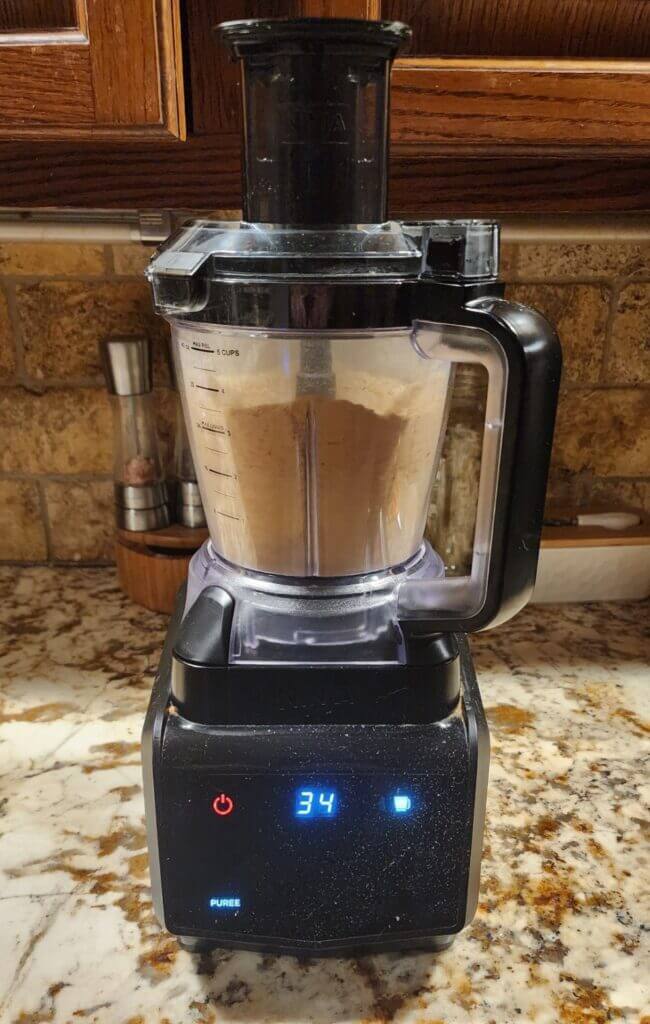
I use the food processor to debulk the peppers. Putting the food processor into puree mode, let it run for the programmed time. When it is done, the final product goes from full sized peppers to the consistency similar to red pepper flakes. For some of you, this may be where you want to stop.
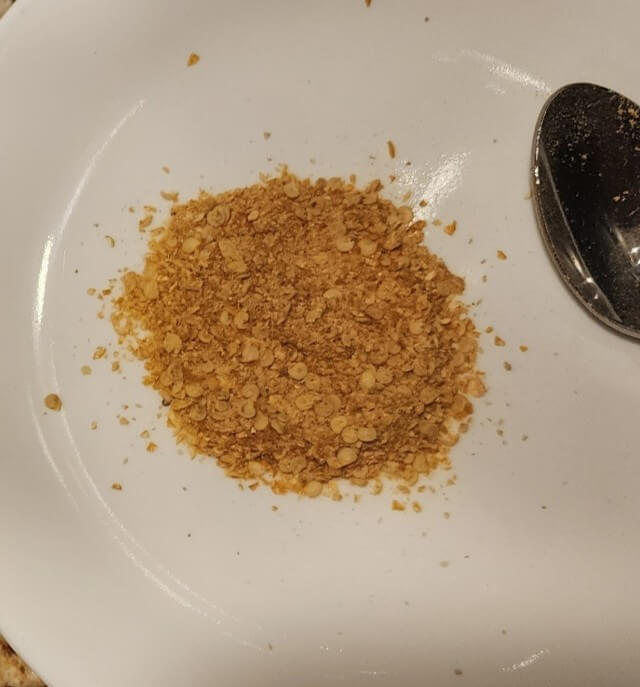
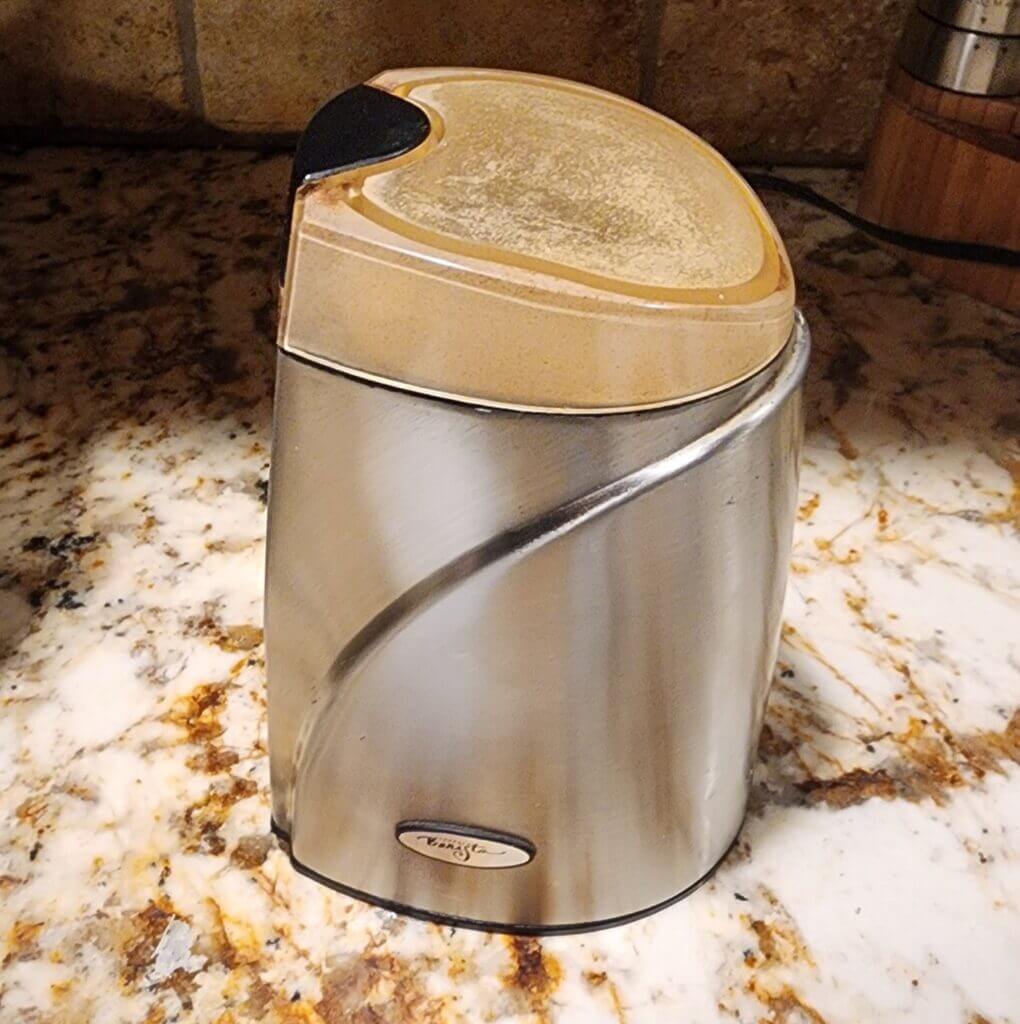
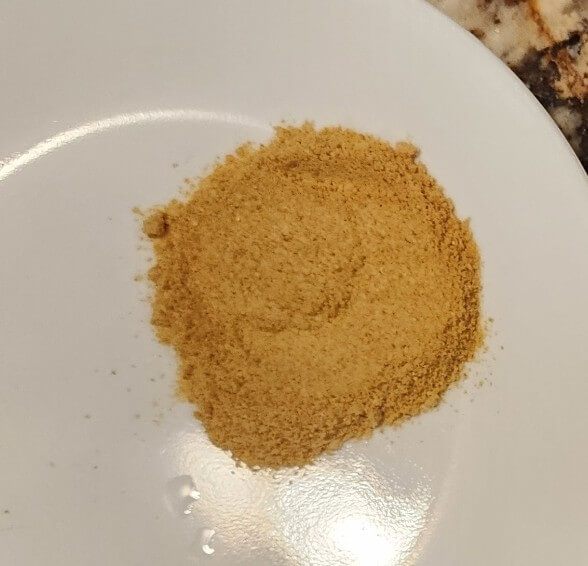
I want a finer end product, so I will use a spice/coffee grinder to finish it off. Once the peppers have been reduced in size, they can be spooned into the spice grinder. I will only do a few teaspoons at a time, as you don’t want to overload the grinder. I let it run a 5-10 seconds until the powder piles up on the outside walls of the container.
Storing the Finished Powder
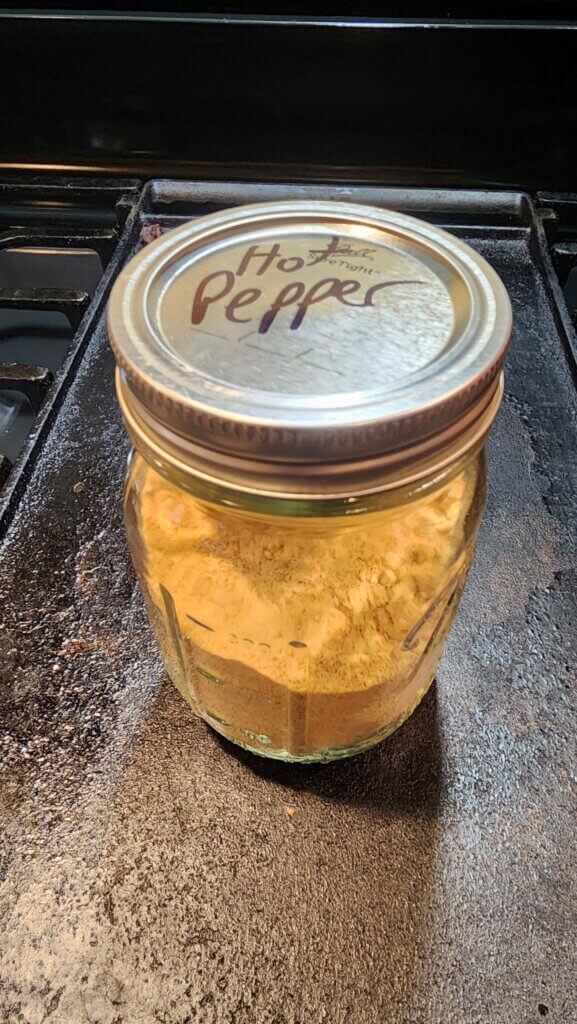
When it is all done, it will be a fine powder, with no signs of seeds. This you want to get into a sealed container. I use a mason jar with metal lid. If you don’t keep it in a sealed container you may find it begins to clump as the dry powder will absorb moisture from the air.
You also want a container that is as small as possible for the final product. This reduces the amount of head space in the container, and limits the oxygen and moisture contact with the product. We have many sized mason jars and I will eye-ball the amount in the food processor to get an idea of how big a jar I will need.
Once bottled, place in a cool, dark place. Sunlight can enhance the breakdown of flavor compounds. We keep ours in our spice cabinet in our kitchen with all of our other spices.
Using Your Homemade Pepper Powder
When cooking with your homemade pepper powders, start small. Each batch can vary with what peppers you use, and even between the same variety of peppers from year to year. So, start small, a bit at a time, until you know how this batch will perform. You can always add more heat, but once it is in there, you can’t take the heat out.
Use the powder like you would any other pepper powder. Add to sauces, soups, and marinades. Add it to BBQ rubs to bring the heat, or use it to spice up any of your Southwestern dishes.
Closing Thoughts
Turning your pepper harvest into powder is more than a kitchen project. It is the completion of months of work that began in early spring with seed starting and soil preparation. Every stage, from feeding with compost and holistic fertilizers to transplanting and tending, builds to this moment when the final fruits are preserved for year-round use.
Harvesting and processing signal the end of the growing season and the start of a brief rest before seeding begins again. The kitchen becomes the final workspace of the homestead, where what grew in the soil becomes the family’s food for the months ahead.
You don’t need expensive tools or special skills to get started. Most households already have the equipment to dehydrate and grind peppers, and if not, these items can be found affordably through secondhand sources. With a bit of effort and intention, anyone can turn extra produce into shelf-stable food that keeps the flavor and nutrition of summer alive through the winter.
The lesson is simple: don’t let your hard work go to waste. Preserving peppers into spice powder is practical, rewarding, and within reach. Each jar represents a piece of the harvest saved, a step toward self-reliance, and a reminder that abundance comes from thoughtful use of what you already have, whether from fresh peppers, homemade hot sauce leftovers, or storing garden peppers long-term.