Why Raising Chickens Is Worth It
When I first decided to raise chickens, my goals were simple: to produce fresh, healthier eggs and to learn how to manage animals responsibly. What started as a small project quickly became one of the most rewarding parts of homesteading. Chickens are not only a great source of food but also a powerful tool for soil building, waste management, and connection to God’s design for creation.
Families often begin with chickens because they are one of the easiest and most practical livestock options. They do not require much space, and their daily routine naturally teaches stewardship, patience, and responsibility. For anyone considering a backyard flock, the process begins long before the first egg is laid.
Planning and Building Your Coop
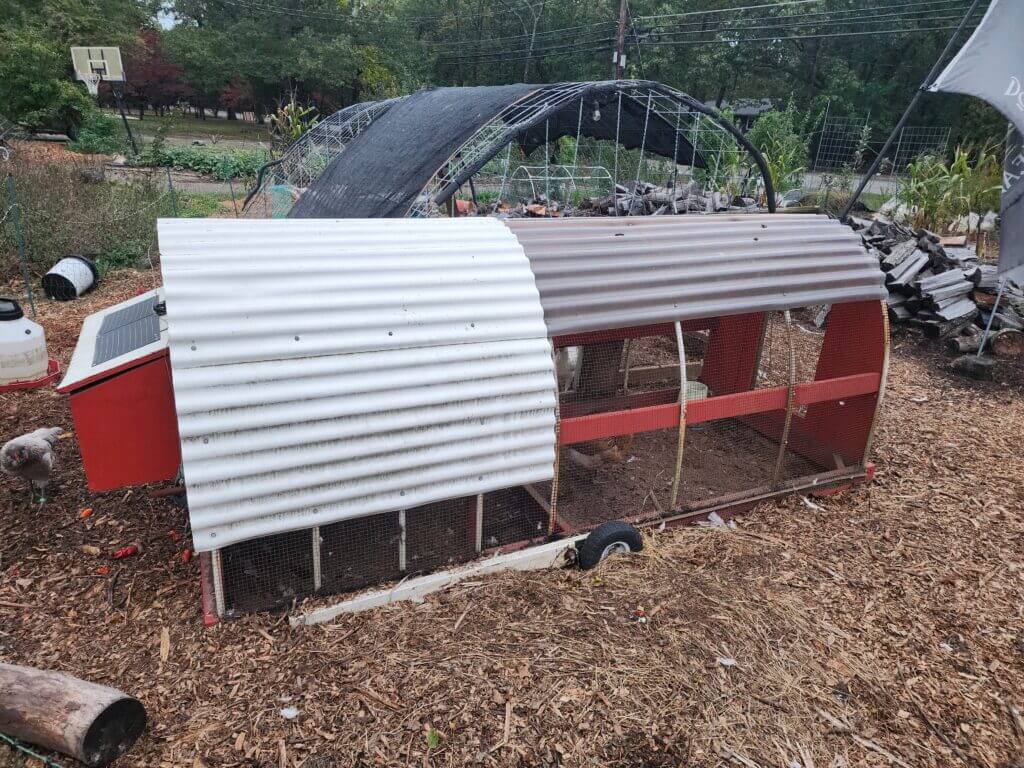
The first step to raising chickens is designing a coop that works for your property and climate. I spent a lot of time researching before building my first setup. I wanted something portable so I could move it around the yard. My initial plan was a one-piece coop-and-run, completely enclosed. I looked at many options, including the popular Omlet design, but decided it was too expensive.
Instead, I built a mobile “stagecoach” coop with an attached run. It worked well at first, but as my six full-sized hens grew, it became too small and too heavy to move easily. Eventually, I switched to a Premier1 solar-powered electric fence system that surrounds the coop-and-run allowing the birds to free-range inside the netting, enjoying fresh grass, bugs, and sunlight while staying safe from predators.
Now we only move the coop once a year. The flock stays on a wood chip base which covers the entire run and that breaks down slowly into compost. When we move them to a new area, the old site becomes a fertile garden bed. Each year we rotate between two plots, which keeps both the soil and birds healthy.
Choosing a Safe and Healthy Location
Coop placement matters, but you do not need much land to raise chickens. Our half-acre property provides plenty of room. The key is drainage. Avoid low areas that flood during heavy rain. If you are staying in one location for an extended period, use a thick layer of wood chips or leaves to create a deep-litter system. This natural bedding absorbs nitrogen from the manure, keeps odors down, and provides carbon to balance the composting process.
Deep litter also encourages worms and beneficial microbes. The chickens dig, mix, and aerate it daily. Over time, the wood chips transform into dark, rich compost. This not only keeps your birds cleaner and healthier but also ensures that no waste leaves your property. Nothing is wasted; everything becomes fertilizer for future gardens.
The Right Breeds for Your Flock
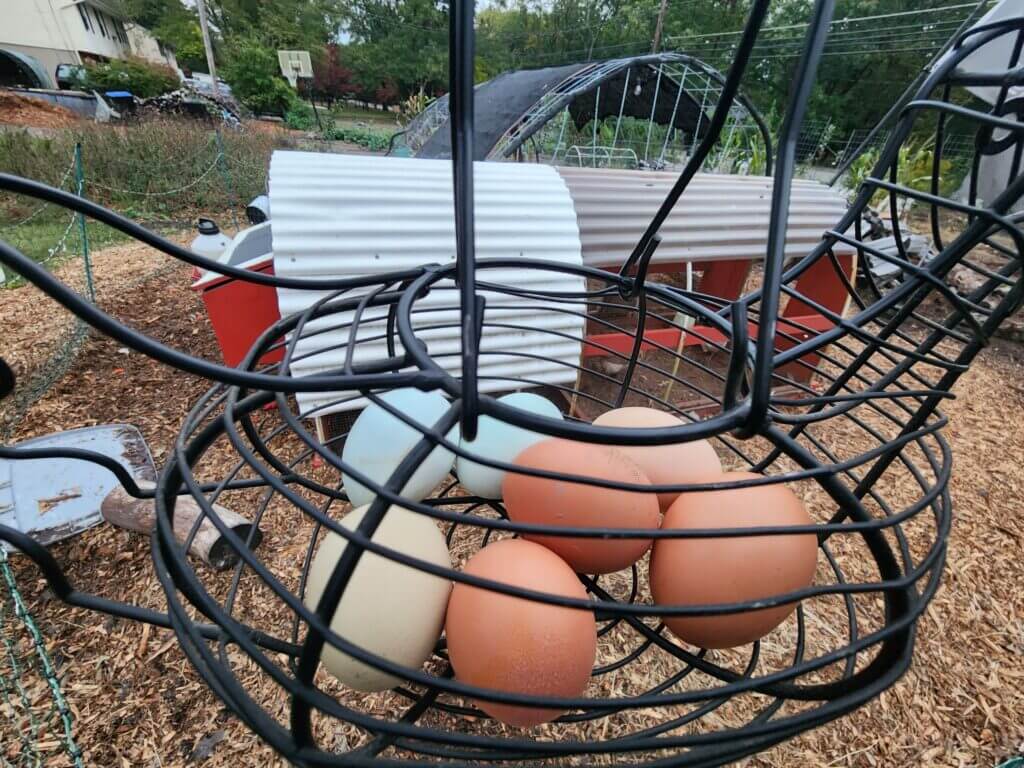
Breed selection depends on your goals and climate. I started with Ameraucana and Buff Orpington hens. Both are excellent layers and hardy birds for a beginner. Buff Orpingtons tend to go broody often, which is ideal if you plan to hatch your own chicks, but they stop laying during that period. Later, I added Easter Eggers, Barred Rocks, and Whiting True Blues. Each breed contributes unique egg colors, personalities, and production rates.
For most families, starting with three to six hens is perfect. They produce enough eggs for a household without overwhelming you with chores. Once you gain experience, you can expand or add roosters if you want to breed naturally.
Feeding Chickens the Right Way
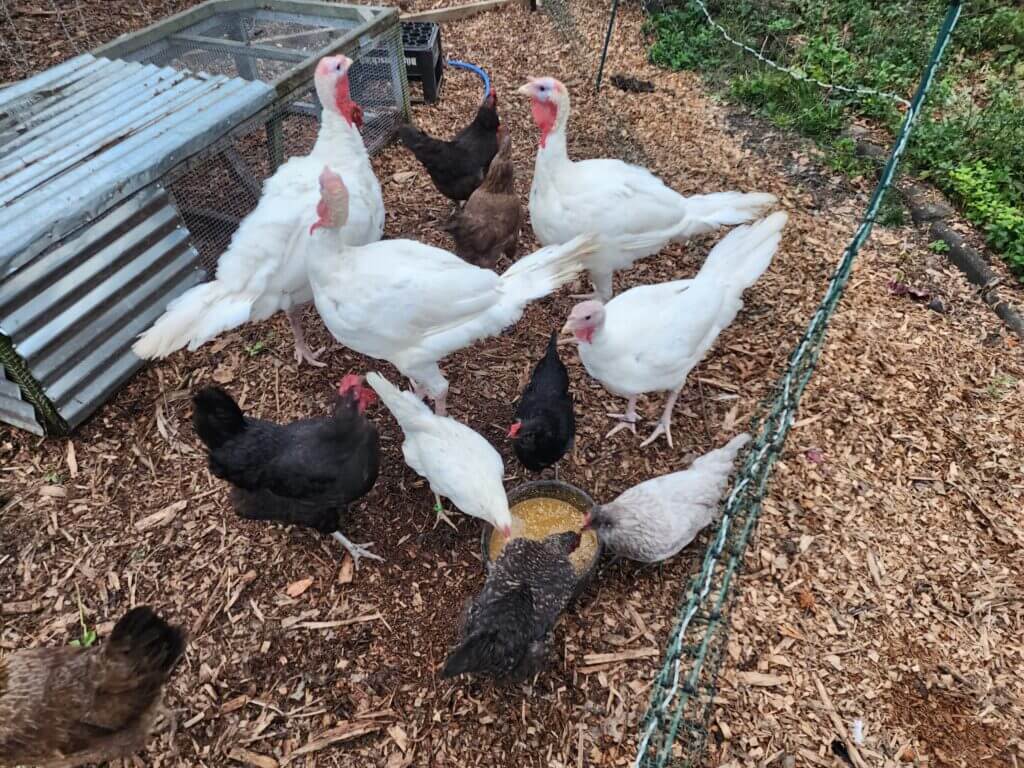
Feed quality directly affects egg nutrition and bird health. I started with commercial feed from the local farm store, but eventually switched to a soy-free, 18 percent protein mix. It supports both my chickens and turkeys, though I plan to stay with this higher-protein blend even after processing the turkeys.
One change that made a big difference was adding water to the feed. Mixing it into a mush helps the birds eat every part of it, including the dust they would normally leave behind. This small step reduced waste and ensured better nutrition while lowering feed costs. Chickens also get a portion of their water needs directly from this moist feed, which is especially helpful during hot weather.
Watering Systems That Work
A reliable water setup is essential. In warm months, I use a Little Giant five-gallon waterer because it’s easy for the chickens to drink from. During freezing weather, I rotate between two five-gallon buckets fitted with horizontal watering nipples. Each day, one bucket thaws inside while the other stays outside for use. This simple system prevents freezing and keeps the flock hydrated through the winter.
If you live in a colder region, heated waterers are another good option, though rotating buckets works well for smaller flocks. Keeping clean, fresh water available is as important as providing good feed.
Cleanliness and Waste Management
The deep-litter system keeps maintenance simple. Rain helps blend the waste into the bedding, while the dry chips absorb moisture and prevent odor. Occasionally, I rake large clumps to keep things evenly mixed. Inside the coop, I use shredded leaves collected from my property each fall. Instead of sending leaves to the curb, I store them to use as bedding. They break down beautifully and keep all that mineral-rich organic matter cycling back into the soil. It’s exactly how forests function: nothing wasted, everything reused.
Protecting Chickens From Predators
Predator protection is critical, especially at night. In five years, I have lost only a few birds: one to a raccoon when I forgot to turn the fence on, and one to a hawk before I built an overhead frame using cattle panels and chains. Since then, we’ve had no losses. The electric fence and automatic coop door make all the difference.
I cannot recommend those two tools enough. The fence keeps out ground predators, and the automatic door opens and closes on a timer, protecting the flock at night without constant monitoring. Together, they reduce daily chores and bring peace of mind.
Lessons From the Flock
Raising chickens teaches lessons far beyond food production. Caring for them builds discipline and attentiveness. It reminds me that stewardship always requires responsibility, but that effort comes with reward. The birds give back more than they take…fresh eggs, composted soil, pest control, and joy.
Early on, we used to sit outside with a drink and just watch the chickens scratch and peck. There is something peaceful about seeing them move through the yard, turning scraps and soil into life. It is a small glimpse of how God designed creation to renew itself.
Chickens will, however, destroy a traditional lawn. Their digging and scratching leave craters behind, which is why I prefer keeping them on deep wood chips instead of grass. On chips, they thrive and work the material into rich compost. On a lawn, they can leave damage quickly.
Advice for Beginners
If you are thinking about getting chickens, plan ahead. Have everything ready before the chicks arrive. If you start with baby chicks, you will need a brooder box, a heat source, and small feeders and waterers. Have your outdoor coop and run completed before they outgrow their brooder, because that stage comes faster than you expect.
Start small. Learn your routine before expanding. And invest in two key pieces of equipment: a quality electric fence and an automatic coop door. They will simplify your work, protect your flock, and make chicken keeping far more enjoyable.
Faith, Stewardship, and Simple Living
Raising chickens has strengthened my understanding of stewardship. When I see how each element of the homestead works together, the waste feeding the soil, the soil growing the feed, the feed nourishing the birds, it is clear that God designed creation to sustain itself. My role is not to control but to cooperate with that design.
Backyard chickens can provide more than eggs. They teach patience, discipline, and reverence for the small systems that sustain life. Whether you live on a farm or in a neighborhood, starting a flock connects you to rhythms of creation that many have forgotten. It is slow, humble work, but deeply satisfying.
For families curious about regenerative living, chickens are an excellent place to begin. They turn scraps into abundance, teach lessons in stewardship, and remind us daily that simple faithfulness produces lasting fruit.